
Just a place to talk about stuff
- Loading X messages...
Book Review: 48 Hours William Forstchen
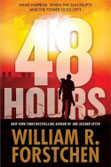
What would happen if a solar storm of significance hit earth today? It's thought that during previous extinctions, solar activity affected life on earth. This book offers a glimpse of what would happen to the build up of a solar activity. How our governments and individual groups respond. Interesting social investigation of a response to an extinction level event. Not sure what I'd do or even be able to do. I tend to like the genre wondering how things in our world may change radically and how they'd disrupt the trivial issues that consume us daily.
Book Review: Mortal Republic: How Rome Fell into Tyranny by Edward J. Watts
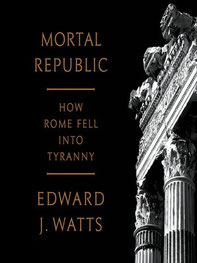
This book covers Roman politics from around 240 BC to the time of Christ. The early part of the book lays out the ruling structure of ancient Rome, the social classes of Patricians and Plebs and the positions they may take in the governance of Rome. I was struck that the top tier were military leaders who were able to raise armies recruited on the promise of payment from their own fortunes and from the plunder they took from defeated lands. The military leaders used their armies to amass riches and for self-protection against enemies from inside and out of Rome.
Roman rulers could seize power and claim dictatorship during times of crisis. Most were temporary but one one example of Sulla's was interesting to see the effects of his dictatorship and the brutality he incurred on his enemies and the fact that he didn't give up his dictatorship. But through his policies to change the political structure and the murder of his enemies he created a structure that allowed him to survive. There's a lesson in here that's been repeated through history.
Social tensions are discussed in the book as well. The role of Romans, Italians and other conquered people in the empire were discussed. Certainly another class structure in place. It was interesting how some could claim lineage through payments, adoption and claims to gain position and authority. The climax happens at 44 BC when Cesar is murdered in the Senate and the political fallout of that action to all the players.
The more things change, the more they stay the same. Politics, power and institutional authority drove life in Rome and we can learn many things from this Republic but it seems we need to repeat the events because we're human and through history, obtaining and keeping power have remained.
Book Review: Tony Evans Kingdom Man

Tony’s blunt and to the point. Men should be men. I liked his description of what he does when he needs to take charge and provide confidence in his support and engagement. He puts up 3 fingers signaling to his wife one thing “I’ve Got It” providing her confidence in him doing his job.
Book Review: Mark Chernow Hamilton final thoughts
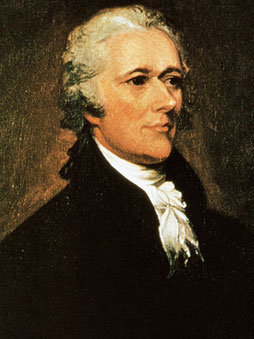
Hamilton joined the Washington administration and the secretary of Treasury joining a 3 person cabinet made up of Jefferson, secretary of State and Henry Knox, secretary of War. Hamilton’s department dwarfed State and War departments in size and scope. The largest challenge in our first administration was crushing debt to finance the Revolution and the need to establish revenue generation capability - taxes and commerce. Treasury included a central bank, establishment of currency, customs, immigration and the Coast Guard (for the purpose of regulating and protecting trade). By the end of his term, the US had established a credit rating on par with most of Europe. The work he led was incredible - dealing with a wild economy, tax revolts (Whisky Rebellion) and the rise of political parties.
It didn’t take long for the new American’s to learn to exploit the economic markets and create deep divisions with political parties. Incredible how people were able to manipulate the first markets, buying and manipulating prices in the US “IPO”. And how divisions among our leaders blossomed during our first years - even within Washington’s administration. the disagreements between Jefferson and Hamilton were deep and foretold the American Civil War where disagreements abounded around State vs Federal control; Agrarian vs Industrial and underlying it all, was slavery. The Federalists looking to establish a central government vs “Republican’s” seeking more state control. Thinking about what could have been if the US hadn’t established the goal to expand and unify. Would we have become like South American, many nations sharing North America? Interesting to see the questions and doubts our leaders had during the formation of the US.
Alexander Hamilton was a genius who contributed greatly to the establishment of our nation. He was a trusted advisor of George Washington, an enemy of John Adams, Thomas Jefferson and George Clinton (1st governor or NY, his adopted home). Obviously, his biggest foe was Aaron Burr, who also wasn’t trusted by many. Imaging what it would be like for the Vice President to shoot and kill a prominent figure, have an arrest warrant out for him and then return to the Senate. The enmity among our founders then gives me hope that we can get through the current political opposition. But maybe it only tells me that I should get used to it.